
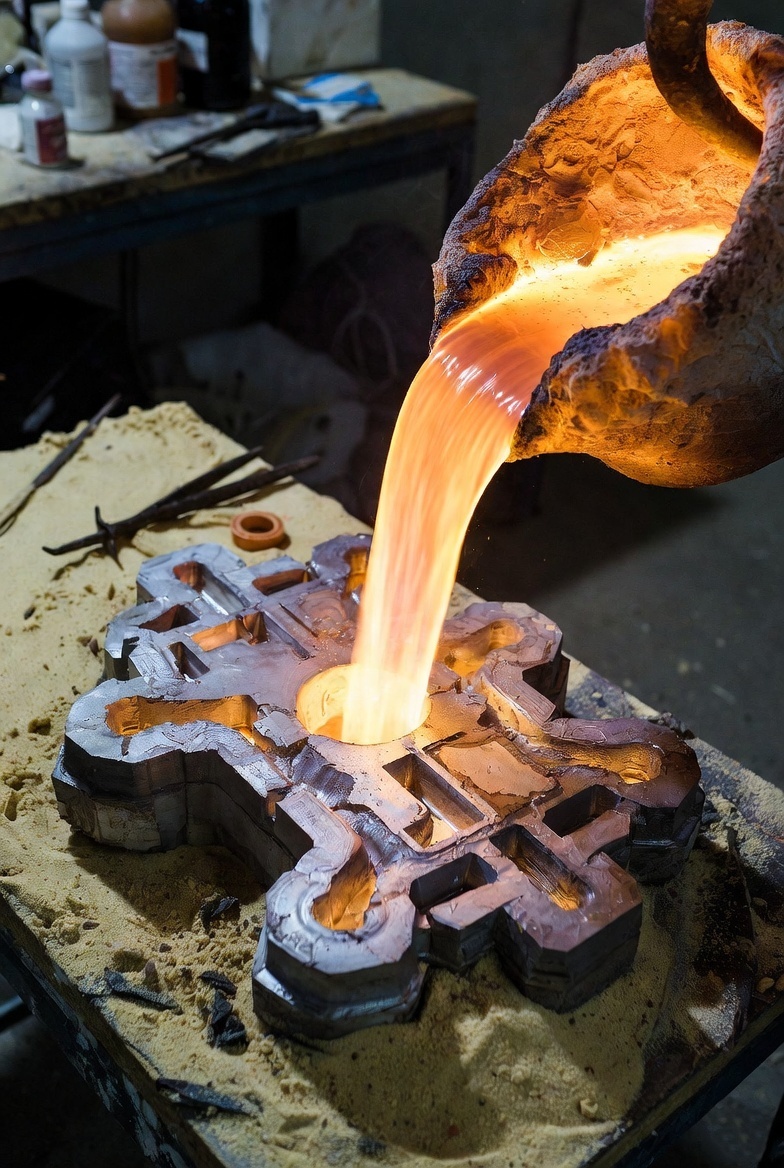
Rapid prototype casting (also known as rapid casting or rapid prototyping casting) is a manufacturing process that combines rapid prototyping techniques (like 3D printing) with traditional casting methods to quickly produce functional metal prototypes or low-volume parts. It allows engineers to test designs, validate performance, and iterate rapidly without the time and cost of creating expensive hard tooling (e.g., metal dies or molds) required for full production.
Key Process (Primarily Investment Casting Variant)
1.The most common form integrates 3D printing with investment casting (lost-wax or lost-pattern process):Design a 3D CAD model of the part.
2.3D print a disposable pattern (often in wax-like resin, plastic, or stereolithography materials) directly from the CAD file.
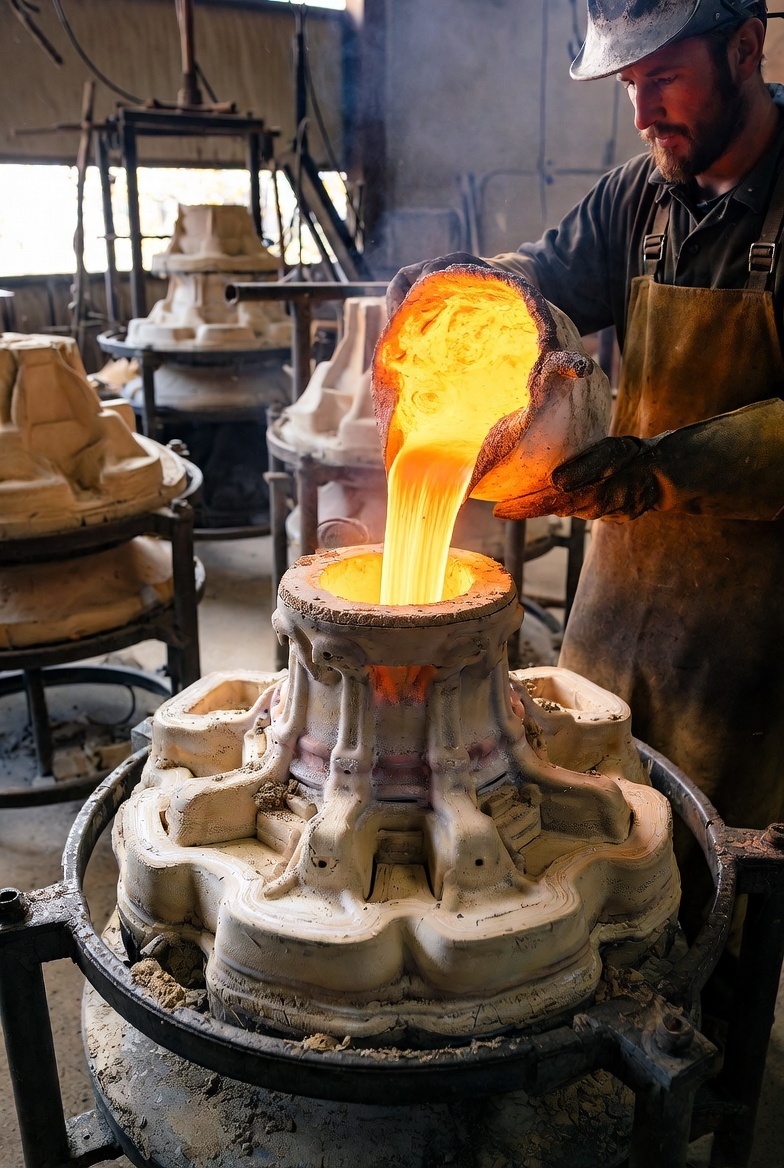
3.Build a ceramic shell around the pattern by dipping it in slurry and coating with refractory material.
4.Burn out or melt away the pattern, leaving a hollow ceramic mold.
Pour molten metal (e.g., aluminum, steel, titanium, or superalloys) into the mold.
5.Cool, break the shell, and finish the casting (machining, testing, etc.).
This delivers fully functional metal parts with the same mechanical properties as production castings, often in days or weeks.Variations include using 3D-printed patterns for sand casting (printing sand molds directly or patterns for sand molds) or lost-foam casting.
Advantages
1.Speed — Prototypes in 1–4 weeks vs. months for traditional tooling.
Cost-effective for low volumes or one-offs (no tooling investment).
2.Design flexibility — Easily handles complex geometries, undercuts, and iterations.
3.Functional testing — Produces real metal parts (not just plastic 3D prints) for strength, fit, and performance validation.
4.Better than alternatives like CNC machining from bar stock (less waste, cheaper for complex shapes) or direct metal 3D printing (often stronger and more certified for aerospace/defense).
Common Applications
Aerospace, automotive, medical devices, oil & gas, and defense — where quick validation of intricate metal parts is critical.This hybrid approach bridges the gap between digital design and physical metal production, accelerating product development.