
How to repair broken die cast metal?

Die-cast metal (often zinc alloy, also called pot metal or Zamak) is brittle and has a low melting point (~786°F/419°C), making traditional welding difficult without distorting or melting the part. Repairs typically involve epoxy adhesives for simplicity or low-temperature soldering for stronger, more authentic bonds. The best method depends on the break type (clean snap vs. missing material), load-bearing needs, and whether the part is painted/chromed.
1. Epoxy Adhesive Repair (Easiest and Most Common for Hobbyists)
1..Recommended product — JB Weld (original or Kwik Weld variant) is widely praised for die-cast repairs, often matching the metal's strength.
2. Step:
Clean the broken surfaces thoroughly (use isopropyl alcohol or degreaser to remove oils/paint).
Lightly sand/roughen the mating surfaces for better adhesion.
Mix equal parts of the two-component epoxy.
Apply to one or both surfaces, press pieces together, and clamp if possible.
Build up excess on the backside for reinforcement if accessible.
Let cure fully (4–24 hours depending on type; JB Weld needs overnight for max strength).
Sand smooth and repaint if needed.
3.Pros → No heat risk, fills gaps well, very strong for most applications.
4.Cons → Not as seamless as soldering; visible if not finished properly.
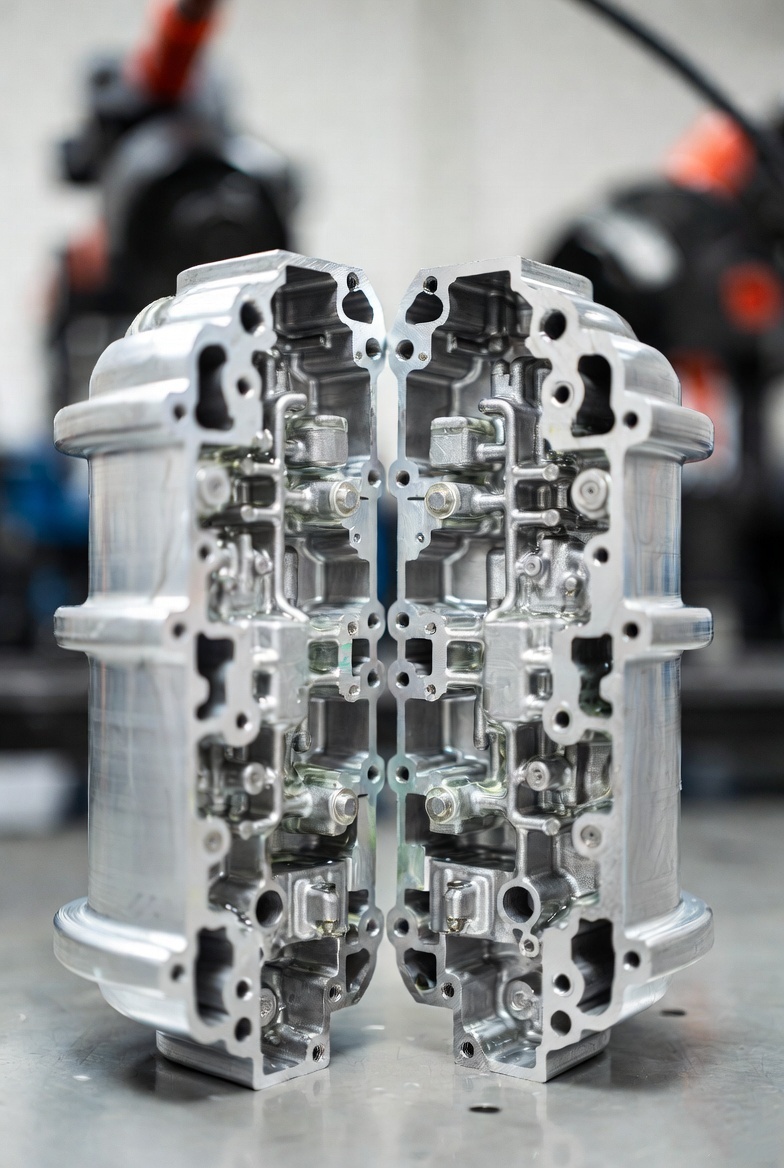
2. Low-Temperature Soldering (Stronger, More Professional Repair)
Use this for load-bearing parts or when you want a metal-to-metal bond that can be sanded/polished/chromed.
1.Recommended product → Super Alloy 1 (from Muggy Weld) — designed specifically for pot metal/zinc die-cast, melts at ~350°F.
2.Tools needed → Propane or butane torch, flux (included with kit), heat paste (to protect adjacent areas).
3.Steps:
Clean and preheat the area gently.
Apply flux (it changes color as a temperature indicator).
Flow the solder into the joint, building up as needed.
Use heat paste to prevent remelting previous sections on multi-part repairs.
Cool, clean off flux with warm water, sand, and finish.
D.Alternative — Send to a chrome plating shop—they copper-plate first, then solder.
4.Pros → Extremely strong (up to 20,000 psi), fillable for missing material.
5.Cons → Requires practice and tools; risk of overheating thin parts
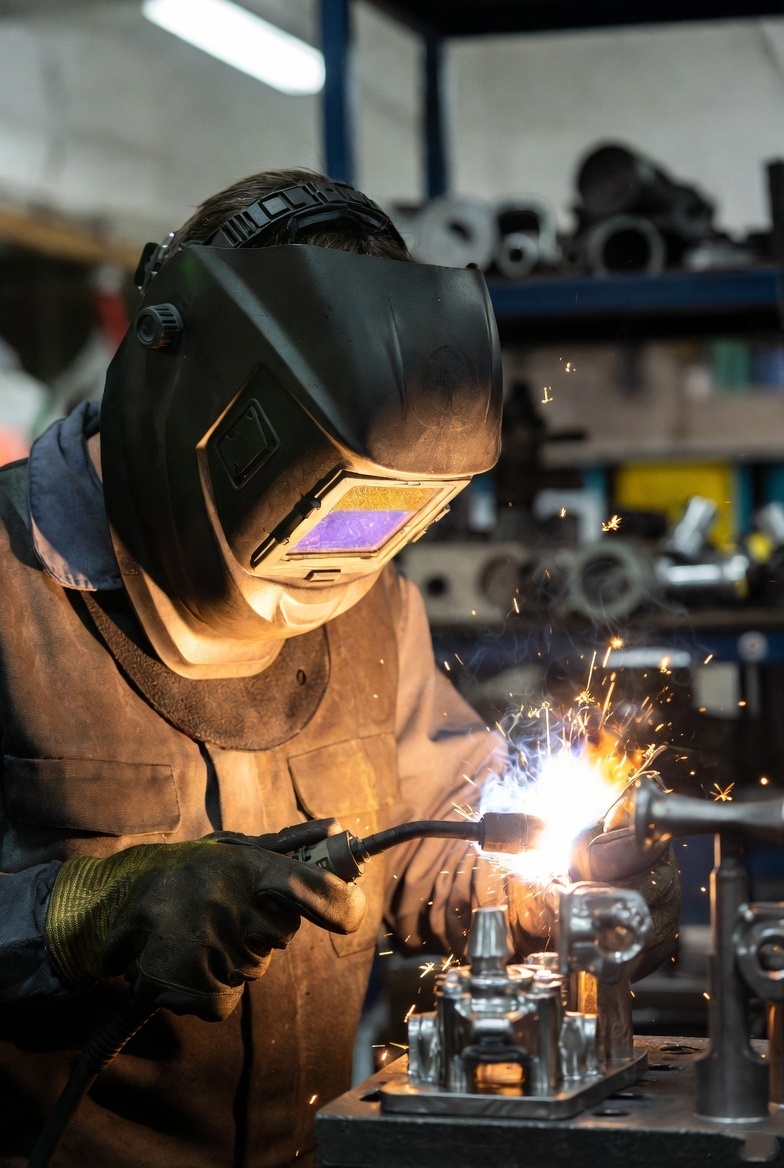
Tips for Success
1.Avoid regular super glue (cyanoacrylate) for structural breaks — it works for tiny parts but is brittle.
2.Avoid high-heat welding/brazing — it often melts the zinc.
3.For painted/chromed parts — mask areas or plan to refinish after repair.
4.Test fit pieces first — die-cast can warp slightly over time.
If it's a valuable antique — consider professional restoration.