
A product prototype is an early model or sample of your idea that allows you to test functionality, design, usability, and feasibility before full production. It can be simple (like sketches) or advanced (like a working 3D model). Prototyping helps identify issues early, gather feedback, attract investors, and reduce costs.Prototypes come in two main types:
A.Low-fidelity (lo-fi): Quick and rough, e.g., paper sketches or basic wireframes—great for initial ideas.
B.High-fidelity (hi-fi): More detailed and interactive, resembling the final product.
Step-by-Step Guide to Creating a Product Prototype
1.Define Your Idea and Goals
Start with market research: Identify the problem your product solves, target users, and competitors. Clarify what you want the prototype to achieve (e.g., test usability or attract funding). Sketch rough concepts on paper or digitally.
2.Create Initial Designs (Low-Fidelity Prototype)
Use sketches, wireframes, or storyboards to map out features and user flow. This is fast and cheap—focus on core functionality, not polish.
3.Build the Prototype
Digital products (apps/websites): Use tools like Figma, Adobe XD, or Proto.io for interactive mockups.
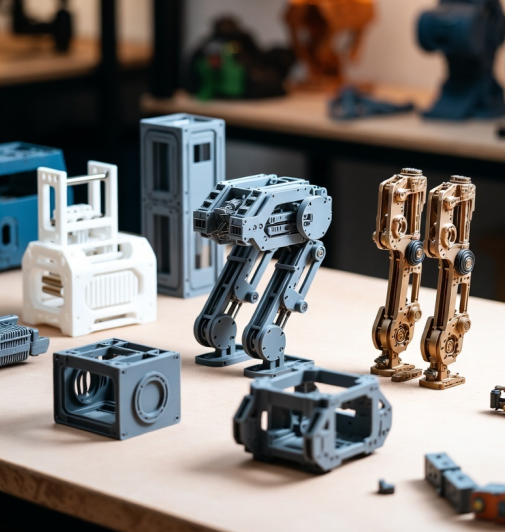
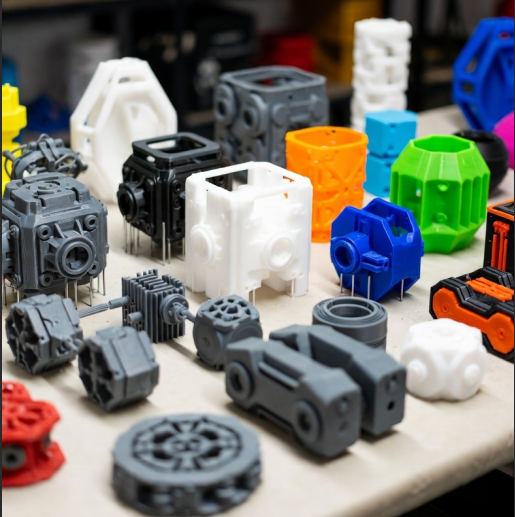
Physical products: Create 3D models in CAD software (e.g., SOLIDWORKS), then 3D print or hand-build with materials like foam or cardboard.
Examples of 3D printed prototypes:
4.Test and Gather Feedback
Share with potential users, stakeholders, or testers. Observe how they interact and ask for honest input on usability, design, and features.
5.Iterate and Refine
Make changes based on feedback. Build higher-fidelity versions if needed. Repeat testing until satisfied.
6.Prepare for Production
Finalize a high-fidelity prototype for manufacturing quotes, investor pitches, or crowdfunding.