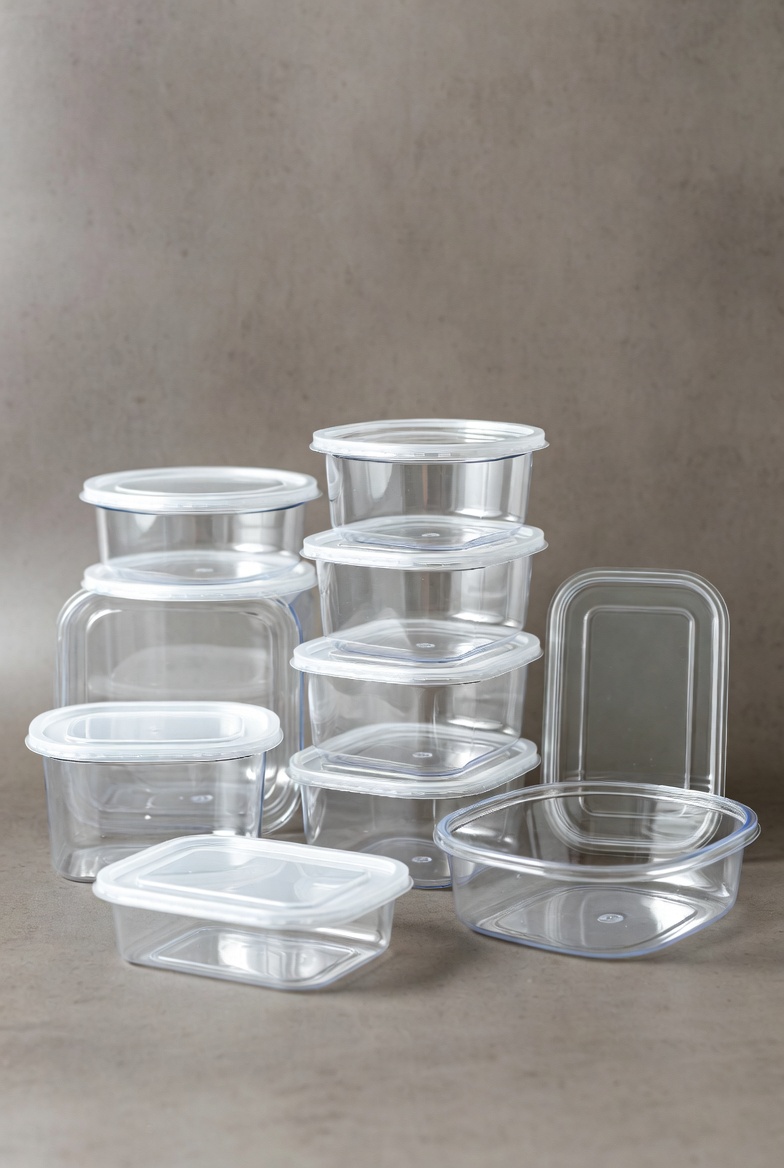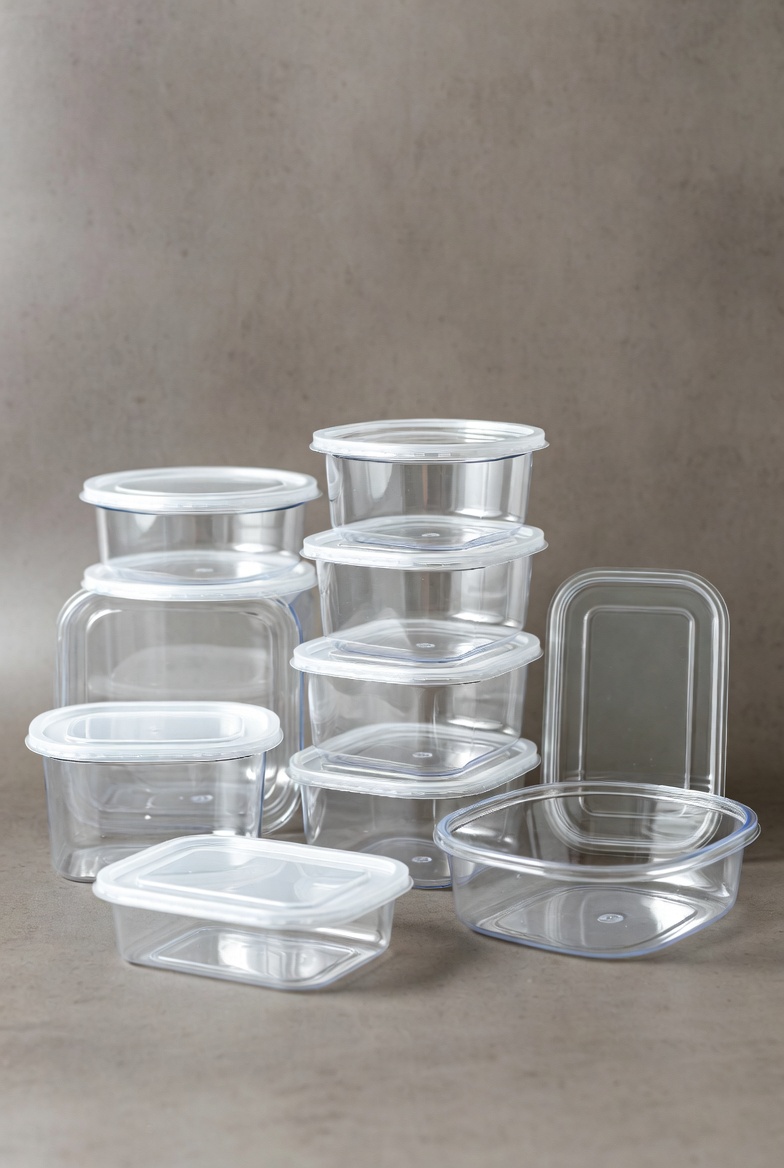
Injection molding allows for a wide range of wall thicknesses in plastic parts, but thinner walls require specialized techniques, materials, and equipment to ensure proper flow, filling, and structural integrity.
Standard Recommendations
1.Most injection molded parts use nominal wall thicknesses of 1.5–3 mm (0.060–0.118 inches).
2.Recommended minimums for common thermoplastics typically start at 0.6–1.0 mm (0.024–0.039 inches), depending on the resin (e.g., higher for ABS or polycarbonate, lower for polypropylene or nylon).
3.Walls thinner than this risk issues like incomplete filling (short shots), warping, or excessive stress.
Thin-Wall and Ultra-Thin Capabilities
1.Thin-wall injection molding (often defined as walls
2.Achievable thicknesses: down to 0.5–0.6 mm (0.020–0.024 inches) routinely, and as thin as 0.25–0.4 mm (0.010–0.016 inches) with high-speed machines, high-pressure injection, and flow-friendly materials like liquid crystal polymer (LCP) or high-flow polypropylene.
3.In micromolding for medical devices (e.g., catheter tips or micro-tubes), walls as thin as 0.1–0.13 mm (0.004–0.005 inches) have been achieved, though these are highly specialized and part-specific.Thinner walls enable lighter parts, faster cycle times, and material savings but demand precise mold design, high injection speeds/pressures, and uniform thickness to avoid defects.
Here are examples of thin-wall injection molded parts, such as packaging containers and medical components: