No, pure carbon fiber cannot be injection molded on its own, as it lacks a meltable matrix and requires extremely high temperatures and pressures that aren't compatible with standard injection molding processes. Carbon fiber is a reinforcement material, not a standalone thermoplastic or thermoset.
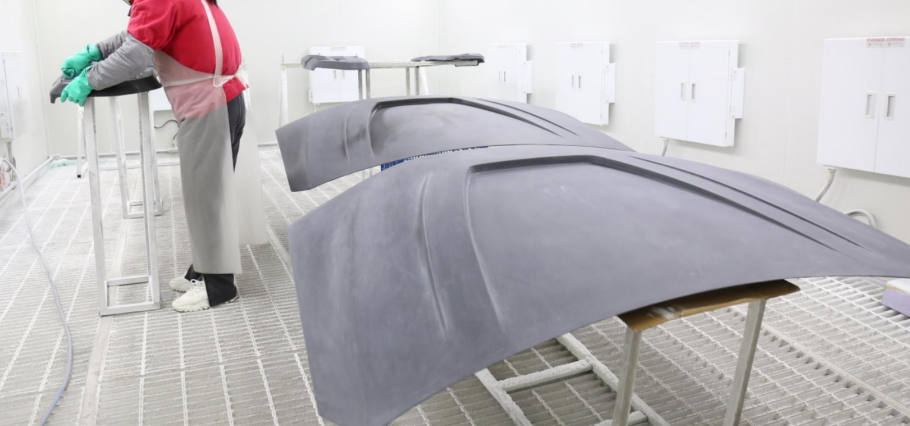
However, yes, carbon fiber-reinforced plastics (CFRP or CFRTP) are commonly injection molded. This involves mixing chopped (short or long) carbon fibers with a thermoplastic resin (e.g., nylon, polypropylene, PEEK, or PPS) to form pellets. These pellets are then heated, melted, and injected into a mold to create strong, lightweight parts.
Key Details
Process — Carbon fibers (typically 10-50% by weight) are compounded into thermoplastic pellets. The mixture is injected at high pressure, with fibers randomly or partially oriented for isotropic properties.
Advantages — High-volume production, complex geometries, good strength-to-weight ratio, and cost-effectiveness compared to traditional layup methods.
Limitations — Short/chopped fibers provide less strength than continuous fiber composites (e.g., prepreg layups or woven fabrics used in aerospace). Maximum tensile strength is lower (often 100-300 MPa vs. 1000+ MPa for continuous fibers).
Applications — Automotive parts, consumer electronics housings, sports equipment, and structural components where metal replacement is needed.
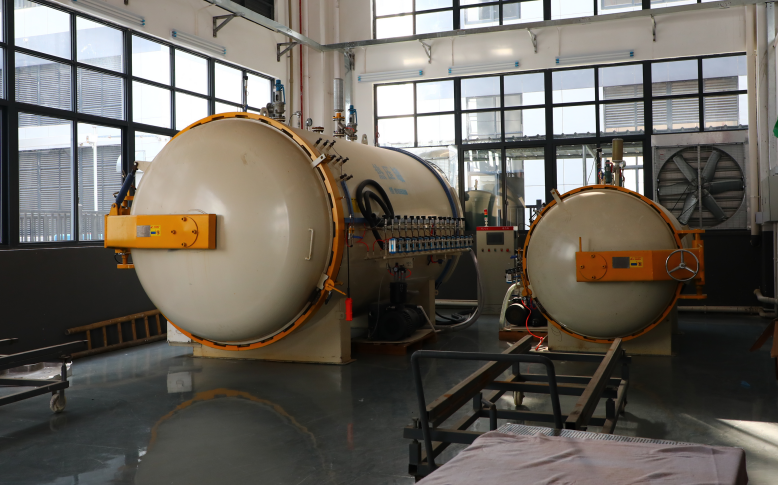
For ultra-high-performance parts with continuous fibers, other methods like resin transfer molding (RTM), autoclave curing, or overmolding onto preforms are used instead.
For detailed production steps, please refer to:https://aluprototype.com/blogs/blogInfo?blogsId=13