
Rapid prototyping is a set of techniques used to quickly create physical parts, models, or assemblies — usually from a 3D CAD design — to test, validate, and refine product ideas before committing to full production.It is primarily used for accelerating and improving the product development process.
Here are the main purposes and applications:
1.Concept validation and visualization — turning digital designs into tangible models so designers, engineers, and stakeholders can see and feel how the product will look and work in real life.
2.Design iteration and refinement — quickly making multiple versions of a part to test form, fit, and function, then improving the design based on real-world feedback (often in days instead of weeks or months).
3.Functional testing — checking if prototypes perform under real conditions (e.g., mechanical stress, assembly fit, ergonomics, or basic usability).
4.User feedback and market validation — allowing early testing with potential users or customers to confirm the product meets needs before expensive tooling or mass production.
5.Reducing development risk and cost — identifying design flaws early (when changes are cheap) rather than discovering them during production.
6.Communication tool — helping teams, investors, clients, or marketing groups better understand and discuss the product concept.
7.Bridge to production — sometimes creating low-volume or custom parts, or testing manufacturing processes before committing to injection molds, CNC tooling, etc.
It is widely used across many industries, including:
1.Automotive and motorsport (e.g., parts, interiors, concept models)
2.Aerospace (complex geometries, lightweight components)
3.Consumer electronics and tech products
4.Medical devices and custom implants/anatomical models
5.Product design, eyewear, packaging, robotics, and more
The most common modern method is additive manufacturing (especially 3D printing technologies like SLA, FDM, SLS, etc.), which allows fast turnaround from CAD file to physical part.
Here are some real-world examples of rapid prototyped parts:
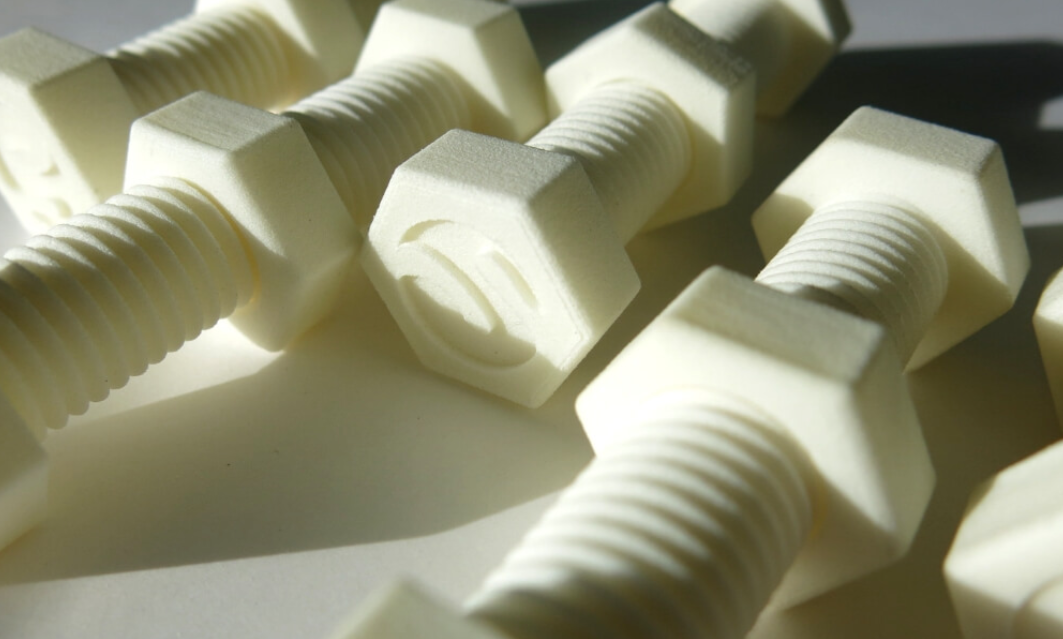
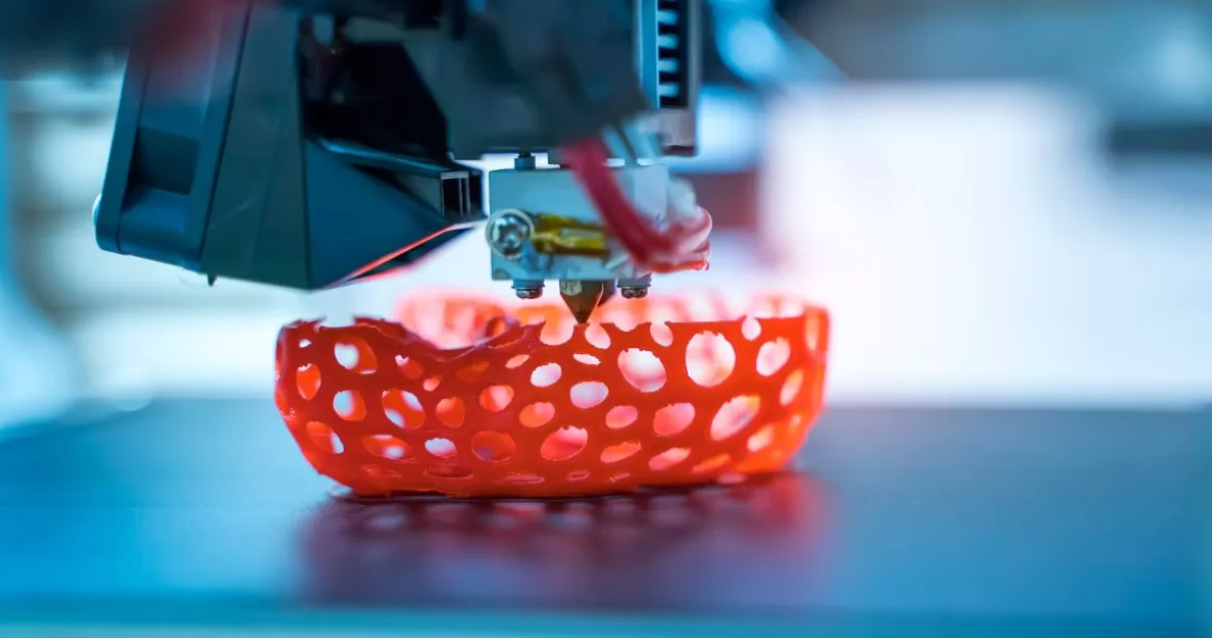
(These show typical 3D-printed prototypes ranging from functional tools and mechanical parts to intricate designs made possible by rapid prototyping.)In short, rapid prototyping exists to fail fast, learn fast, and succeed faster — helping bring better products to market more efficiently. As a company specializing in rapid prototyping (like Shenzhen Alu Rapid Prototype Precision Co., Ltd.), this process is exactly what enables fast, cost-effective development of aluminum, plastic, and precision parts for clients worldwide!