Bonding die-cast aluminum can be a bit of a "sticky" situation because aluminum naturally forms a thin layer of oxidation that resists adhesives. However, with the right prep, you can get a bond that’s often stronger than the metal itself.
Here is the breakdown of how to get it done right.
1. Choose the Right Adhesive
Not all glues are created equal. For die-cast aluminum, you generally want one of these three:
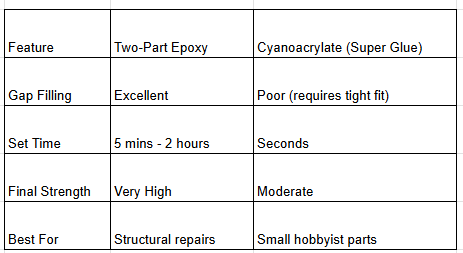
1.Two-Part Epoxy: The gold standard. Look for "metal-reinforced" or "high-strength" versions (like J-B Weld or Loctite E-120HP). These fill gaps well and handle vibration.
2.Cyanoacrylate (Super Glue): Best for small, tight-fitting parts where there is no gap. Use an "impact-resistant" formula so the bond doesn't snap if dropped.
3.Polyurethane Adhesives: Good if the bond needs a little flexibility or will be exposed to significant weather changes.
2. The Secret is in the Prep
If you skip this, the adhesive will bond to the oxidation layer, which will eventually flake off the metal.
1.Degrease: Use acetone or isopropyl alcohol to remove any oils, mold release agents (from the casting process), or fingerprints.
2.Abrade: Use 120-grit sandpaper or a wire brush to scuff the surface. You want to see "bright" metal. This creates a "mechanical key" for the glue to bite into.
3.Clean Again: Wipe away the dust with more acetone. Do not touch the surface with your bare hands after this; skin oils are the enemy of a good bond.
3. The Bonding Process
1.Apply: If using epoxy, mix thoroughly until the color is uniform. Apply a thin, even layer to both surfaces.
2.Clamp: You don't need massive pressure, just enough to keep the parts from moving. Over-clamping can squeeze out all the glue, leaving a "starved" joint.
3.Cure: Let it sit. Even "5-minute" epoxies usually take 24 hours to reach full chemical strength. Resist the urge to "test" the bond early.
Quick Comparison Table