
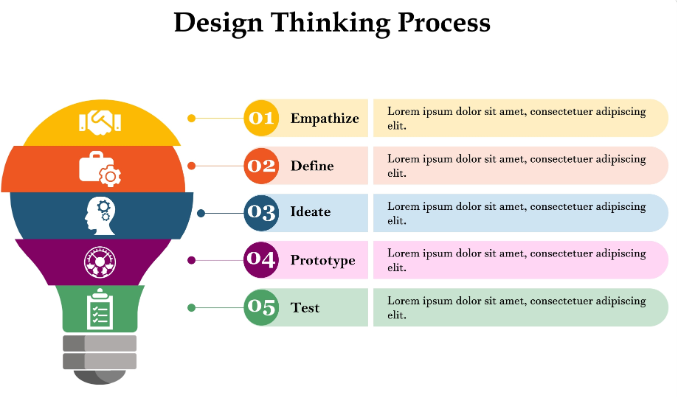
Think of prototyping as the "cheap insurance" of the design world. It’s the bridge between a brilliant (but unproven) idea and a functional reality. Without it, you’re essentially building a house based on a sketch and hoping the plumbing works once the roof is on.
In short: it’s vital. Here is why prototyping is the heartbeat of successful product development.
1. Risk Mitigation (The "Fail Fast" Philosophy)
The most expensive mistake you can make is building the wrong thing perfectly. Prototyping allows you to identify technical constraints or usability flaws before you’ve invested thousands of hours in coding or manufacturing.
Financial Safety: It’s much cheaper to throw away a cardboard model or a Figma wireframe than a mass-produced plastic mold or a fully coded backend.
Validation: It proves the concept actually works in the physical or digital world, not just in your head.
2. User-Centric Refinement
You are not your user. Prototyping allows you to put a "tangible" version of your idea in front of real people to see how they actually use it—which is often very different from how you think they will。
Feedback Loops: Observing a user struggle with a prototype provides insights that no survey or interview ever could.
Empathy: It helps the team understand the user’s pain points firsthand.
3. Clear Communication and Stakeholder Buy-in
Describing a "revolutionary new navigation menu" to a client is hard. Showing them a clickable prototype is easy.
Alignment: It ensures the designers, developers, and business owners are all imagining the same product.
Persuasion: If you’re pitching an idea, a prototype is your strongest advocate. It transforms an abstract pitch into a concrete "thing" that people can get excited about.
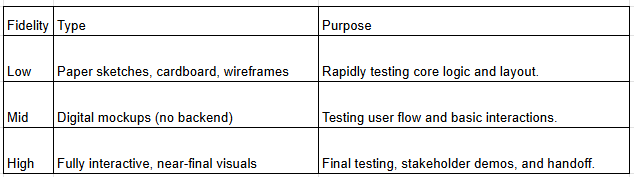
4. The Prototyping Spectrum
Prototyping isn't a one-size-fits-all step. It usually evolves through different levels of "fidelity."
The Bottom Line
Prototyping isn't an "extra" step that adds time to a project; it’s a tool that saves time by preventing rework later. It moves the conversation from "I think this will work" to "I know this works."