
To CNC machine a prototype with a precision-focused provider like Shenzhen Alu Rapid Prototype Precision Co., Ltd. (Alu Prototype), you are looking at a process that transitions from a digital concept to a high-fidelity physical part in as little as 1 to 5 days.
1. The Prototyping Workflow
Shenzhen Alu Rapid Prototype generally follows a "one-stop" model, which streamlines the transition from CAD to finished part:
Step 1: CAD Design & Export: Create your 3D model using software like SolidWorks, AutoCAD, or Rhino. Export your design into standard formats like STEP (.stp) or IGES (.igs).
Step 2: Quotation & DFM Review: You submit your files through their online platform. Most Shenzhen rapid prototypers provide a quote within 2–12 hours. During this stage, engineers perform a Design for Manufacturing (DFM) review to ensure the part is actually machinable.
Step 3: Programming (CAM): Once you approve the quote, engineers use CAM software to convert your 3D model into G-code. This code dictates the tool paths for the CNC mills or lathes.
Step 4: Machining: * 3-Axis/4-Axis: Best for simpler parts.
5-Axis CNC: Used for complex geometries with undercuts or intricate angles, which is a specialty of precision shops like Alu Rapid.
Step 5: Post-Processing: This is critical for prototypes intended for marketing or functional testing. Options include anodizing (essential for aluminum), bead blasting, polishing, and laser etching.
2. Why Choose This Specific Provider?
Shenzhen Alu Rapid Prototype is positioned as a specialist in Rapid Tooling and Precision Machining. Our value proposition typically includes:
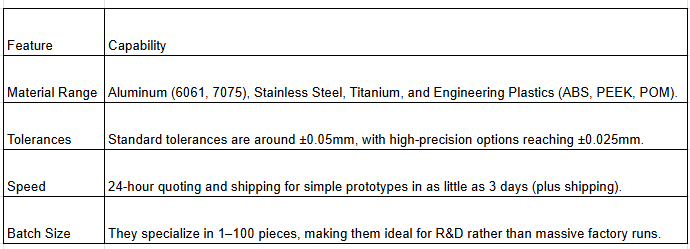
3. Key Technical Considerations
When ordering an "Alu" (Aluminum) prototype specifically, keep these factors in mind:
Aluminum Grades: For high-stress functional tests, specify 7075. For general purpose and excellent corrosion resistance, 6061 is the industry standard.
Wall Thickness: Keep minimum wall thicknesses above 0.5mm to avoid warping during the high-speed machining process common in Shenzhen shops.
Surface Finish: If the part is for a trade show, request "Mirror Polishing." If it's for an internal engine component, "As-Machined" (leaving slight tool marks) will save you 20-30% in cost.
4. How to Get Started
Prepare a Technical Drawing: Even with a 3D model, provide a 2D PDF specifying critical tolerances and thread sizes (e.g., M3, 1/4-20).
Request an NDA: Most reputable Shenzhen firms will sign a Non-Disclosure Agreement before you send sensitive files.
Confirm Shipping: Since we are based in the Pearl River Delta, ensure you account for 2-3 days of international express shipping (DHL/FedEx) if you are outside of China.