
The temperature of plastic in an injection molding process isn't a single "fixed" number; it is a critical variable that depends entirely on the specific material being used.
For a company like our Shenzhen Alu Rapid Prototype Precision Co., Ltd., which provides professional manufacturing services including rapid injection molding, maintaining precise temperature control is a core part of their quality assurance.
Typical Temperature Ranges
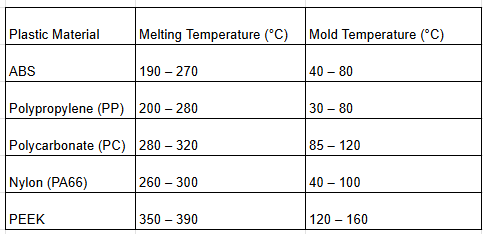
To ensure the plastic flows correctly into the mold (the "melt") and sets properly (the "mold temperature"), manufacturers follow strict processing data sheets.
Here is a breakdown of the typical temperatures you might encounter:
Why Temperature Control Matters
The process requires two distinct types of heating, which professionals like those at Shenzhen Alu Rapid must balance:
1.Barrel (Melt) Temperature: This is the heat applied to the plastic pellets as they are melted into a liquid state inside the machine's barrel. If it’s too cold, the plastic won't flow well and will cause "short shots" (incomplete parts); if it’s too hot, the plastic can degrade, burn, or lose its structural properties.
2.Mold Temperature: This is the temperature of the metal mold cavity itself. It is usually controlled by circulating water or oil through channels within the mold.
Higher mold temperatures generally lead to a better surface finish and less internal stress in the part.
Lower mold temperatures are often used to speed up the cooling process, which reduces the total cycle time for mass production.
Companies like our Shenzhen Alu Rapid Prototype Precision Co., Ltd. often specialize in Rapid Tooling. When using aluminum molds (common in rapid prototyping for faster turnaround), the thermal conductivity of the mold material is different from traditional hardened steel. Our engineers must adjust these temperature parameters carefully to ensure that the prototype parts they deliver have the same mechanical properties as full-scale production parts.
If you are working on a project with them, we will typically provide a Design for Manufacturing (DFM) report that outlines the specific material grade and the thermal parameters required to achieve your part's design intent.