
What is ast-metal-prototyping?
AST Metal Prototyping (often associated with Advanced Synthesis Technology or specialized additive systems) refers to a high-precision approach to creating metal parts using Additive Manufacturing (AM) or 3D printing technologies.
Unlike traditional machining where you carve a part out of a solid block (subtractive), AST processes build the part layer-by-layer, allowing for complex geometries that would otherwise be impossible to manufacture.
Core Technologies Involved
While "AST" can sometimes be a proprietary brand name, it generally falls under these metal 3D printing categories:
DMLS (Direct Metal Laser Sintering): A laser fuses fine metal powder layer by layer.
SLM (Selective Laser Melting): Similar to DMLS, but fully melts the powder to create a homogenous metal structure.
Binder Jetting: An industrial print head deposits a liquid binding agent onto layers of metal powder, which are later sintered in a furnace.
Why Use It?
Metal prototyping is the bridge between a digital concept and a functional, "end-use" part. Here is why industries lean on it:
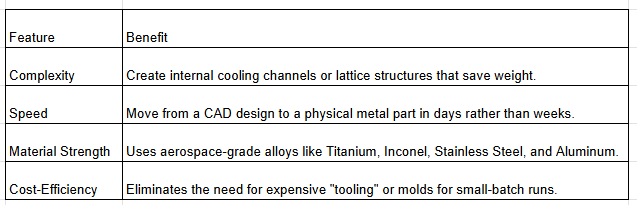
Common Applications
1.Aerospace: Lightweight engine components and brackets.
2.Medical: Custom orthopedic implants tailored to a patient's specific anatomy.
3.Automotive: High-performance parts for racing or heat exchangers.
4.Tooling: Creating "conformal cooling" inserts for injection molds to speed up production.
Note: Because "AST" is often used as an acronym for various engineering firms (like Advanced Sensor Technologies or Advanced Specialty Techniques), the specific "flavor" of the prototyping might vary depending on the provider's proprietary machinery.