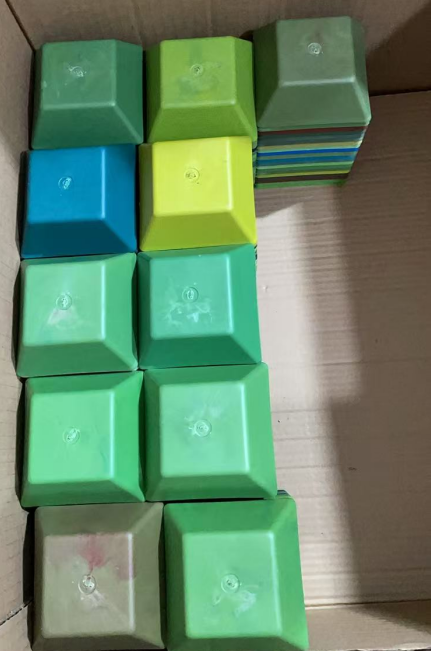
What issues should be paid attention to when making PLA plastic molds?
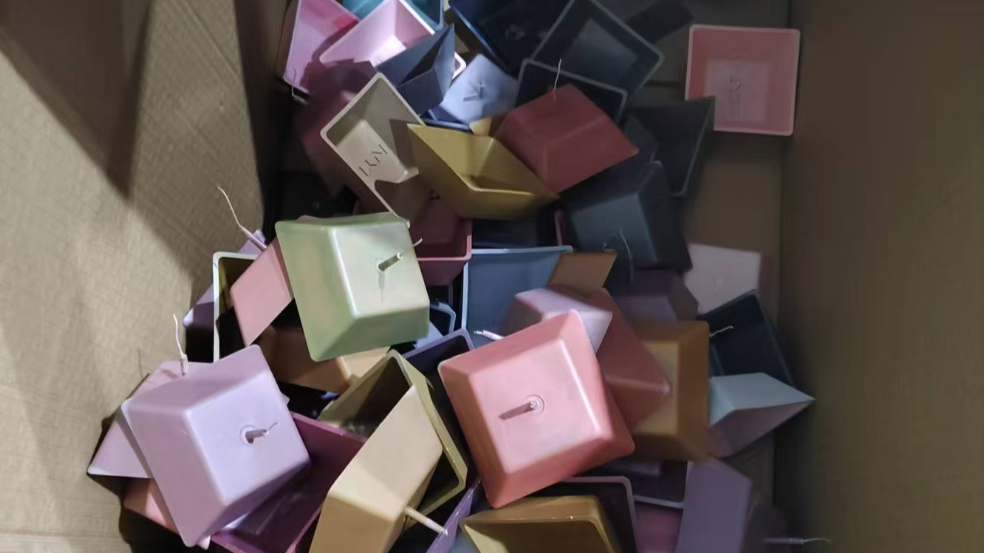
When making PLA (Polylactic Acid) plastic molds, several key issues require attention to ensure quality, efficiency, and durability. PLA is a biodegradable thermoplastic with unique properties, so the molding process differs from traditional plastics like ABS or PP. Below are the critical considerations:
Material Properties of PLA
1.Low Heat Resistance: PLA has a low glass transition temperature (55–60°C) and melting point (150–180°C). Molds must maintain precise temperature control to prevent deformation or sticking.
2.Shrinkage Rate: PLA typically has a shrinkage rate of 0.3–0.8%, which is lower than many plastics. Mold design must account for this to ensure dimensional accuracy.
3.Brittleness: PLA is relatively brittle compared to other plastics. Mold designs should minimize sharp corners or thin sections to avoid cracking during demolding.
4.Moisture Sensitivity: PLA is hygroscopic and can absorb moisture, leading to hydrolysis during processing. Ensure the resin is dried (typically at 45–60°C for 2–4 hours) before molding to prevent defects like bubbles or weak parts.
Mold Design Considerations
1.Draft Angles: Incorporate adequate draft angles (1–3°) to facilitate easy demolding, as PLA can stick to mold surfaces due to its adhesive nature.
2.Surface Finish: Use polished mold surfaces to reduce friction and improve part release, as PLA can adhere to rough surfaces. Consider coatings like PTFE or nickel to enhance release properties.
3.Venting: Proper venting is critical to avoid trapped air, which can cause burn marks or incomplete filling, especially given PLA’s viscosity.
4.Cooling Channels: Design efficient cooling channels to maintain consistent mold temperatures (typically 20–40°C). PLA requires rapid and uniform cooling to prevent warping or internal stresses.
5.Gate Design: Use small gates (e.g., pinpoint or submarine gates) to minimize shear stress, as PLA is sensitive to high shear rates, which can degrade the material.
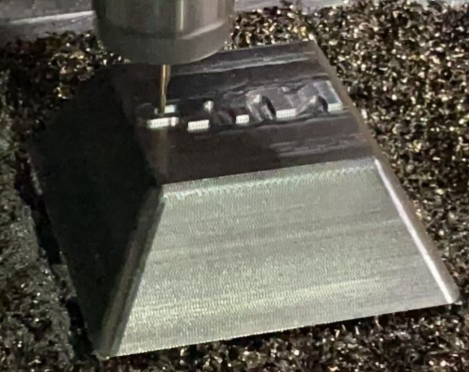
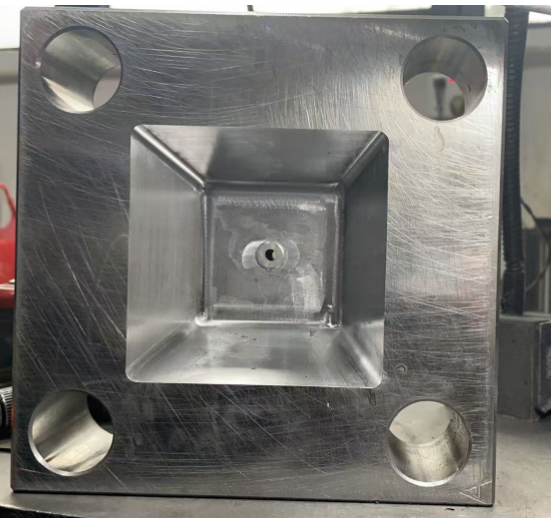
Temperature Control:
1.Barrel Temperature: Set between 180–210°C to avoid thermal degradation. Start with lower temperatures and adjust based on flow.
2.Mold Temperature: Keep at 20–40°C to ensure proper crystallization and reduce cycle time.
3.Nozzle Temperature: Slightly lower than the barrel (170–190°C) to prevent drooling.
4.Injection Pressure and Speed: Use moderate pressure (50–100 MPa) and speed to avoid shear heating, which can degrade PLA and cause defects like flashing or yellowing.
5.Cycle Time: PLA requires shorter cooling times than other plastics due to its low heat resistance. Optimize cycle times (20–40 seconds) to balance quality and productivity.
6.Screw Speed: Keep screw speed low to medium (50–100 RPM) to minimize shear and ensure uniform melting.
Sustainability Considerations
Recyclability: PLA is biodegradable, but recycling requires specific conditions. Plan for scrap management and consider regrinding sprues and runners for reuse, ensuring they are free of moisture and contaminants.
Energy Efficiency: Optimize molding parameters to reduce energy consumption, aligning with PLA’s eco-friendly profile.
Request prototypes to test mold performance before full-scale production, leveraging our rapid prototyping service . By addressing these issues, you can achieve high-quality PLA molded parts with minimal defects and efficient production. Contact us